
Find Us Near You!
- In Centergate Plaza
- Near the corner of Bee Ridge & Cattlemen
- Just off I-75
- Near Publix Plaza
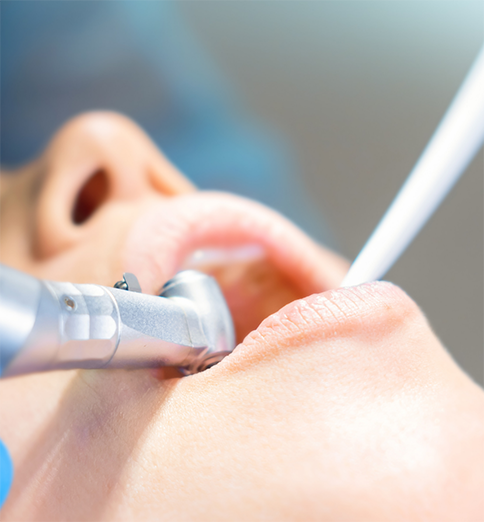
When a tooth is severely damaged, infected beyond repair, or causing crowding issues, extraction may be the most appropriate treatment to protect your overall oral health. At our practice in Sarasota, we understand that the prospect of tooth removal can feel overwhelming, but sometimes tooth extraction is necessary to prevent more serious complications and preserve the health of your surrounding teeth. Our gentle approach and advanced techniques ensure your comfort throughout the procedure while setting the stage for optimal healing.
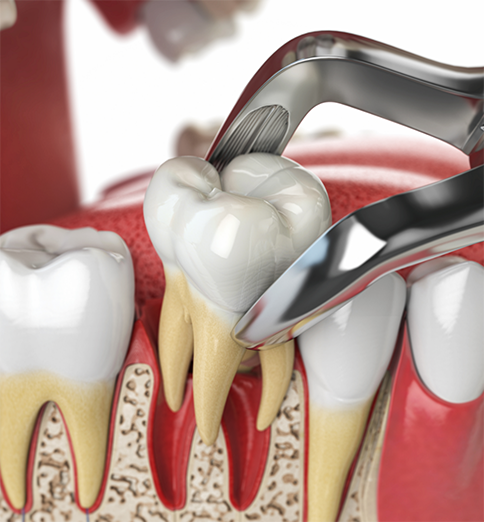
Simple extractions are performed on teeth that are visible in the mouth and have fully erupted. During this procedure, we carefully loosen the tooth using specialized instruments called elevators, then remove it with dental forceps. Local anesthesia ensures you remain comfortable throughout the process, and most simple extractions are completed within minutes. These procedures typically involve minimal discomfort and straightforward recovery periods.
Surgical extractions are required for teeth that haven’t fully erupted, are broken below the gumline, or have curved roots that make simple removal difficult. This procedure may involve making a small incision in the gum tissue to access the tooth, and sometimes the tooth needs to be sectioned into smaller pieces for easier removal. Wisdom teeth are commonly removed through surgical extraction, especially when they’re impacted or positioned at difficult angles.
Emergency extractions may be necessary when a tooth becomes severely infected and poses a risk to your overall health. Dental infections can spread rapidly if left untreated, making prompt intervention crucial to prevent serious complications that could affect your overall health.
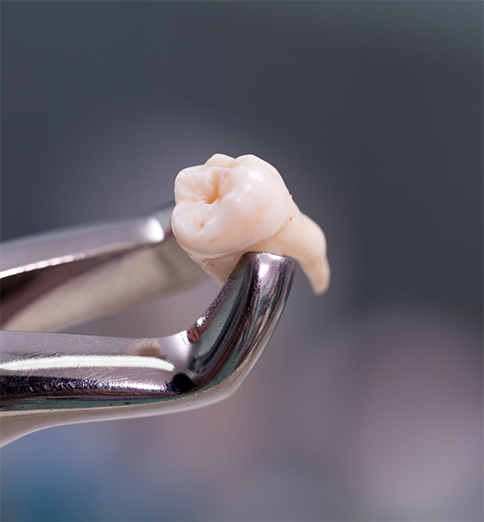
Before any extraction, we’ll conduct a thorough examination and take X-rays to understand the tooth’s position and root structure. We’ll review your medical history and current medications to ensure the safest possible treatment. Local anesthesia is administered to numb the area completely, and we can provide additional sedation options if you experience dental anxiety or prefer extra relaxation during the procedure.
During the extraction, you’ll feel pressure but should not experience pain. We work systematically to loosen the tooth while preserving as much surrounding bone and tissue as possible. For surgical extractions, we take special care to minimize trauma to adjacent structures. Throughout the procedure, we monitor your comfort and can adjust anesthesia as needed to keep you comfortable.
After the tooth is removed, we’ll place gauze over the extraction site and provide you with detailed post-operative instructions. The initial blood clot that forms is crucial for proper healing, so we’ll explain how to protect it during the first 24-48 hours. Most patients experience minimal discomfort that can be managed with over-the-counter pain medications, and many return to normal activities within a day or two.
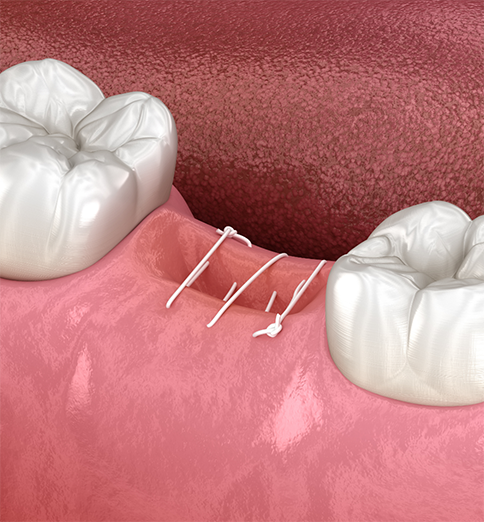
Proper post-extraction care is essential for smooth healing and preventing complications. For the first 24 hours, avoid vigorous rinsing, drinking through a straw, or smoking, as these activities can dislodge the protective blood clot.
Apply ice packs to the outside of your face for 15-20 minutes at a time to minimize swelling, and stick to soft foods that don’t require extensive chewing. After the first day, gentle rinsing with warm salt water can help keep the extraction site clean and promote healing. Gradually return to normal eating habits as comfort allows, but continue to avoid the extraction site when chewing for the first week.
Most extraction sites heal completely within 1-2 weeks, though the underlying bone may take several months to fully remodel. We’ll schedule a follow-up appointment to monitor your healing progress and, if appropriate, discuss tooth replacement options. Preventive care plays an important role in avoiding complications and ensuring optimal healing after any extraction procedure.