
Find Us Near You!
- In Centergate Plaza
- Near the corner of Bee Ridge & Cattlemen
- Just off I-75
- Near Publix Plaza
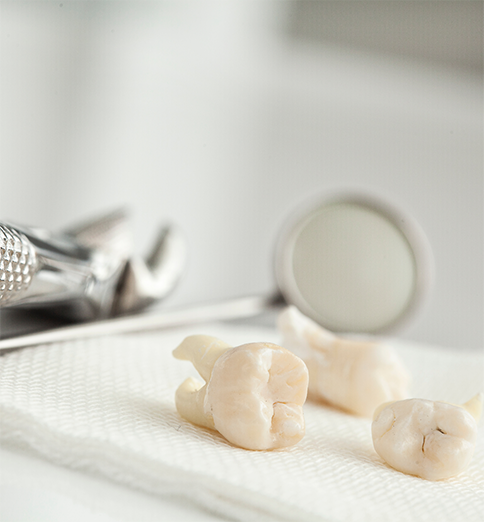
When it’s time to remove partially erupted or impacted wisdom teeth, Dr. Ibarria offers a comfortable approach to ensure the entire process is completed smoothly and successfully. Although not all patients require wisdom tooth extractions, it is often recommended to prevent future oral health concerns, such as infection. Our team in Sarasota is here to remove these unnecessary teeth so that your smile can thrive in the years ahead.
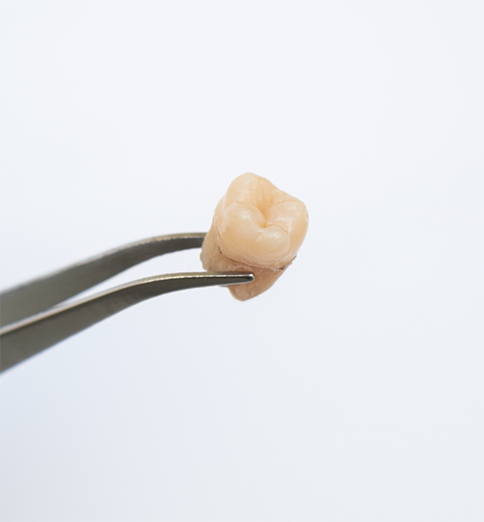
Wisdom teeth present unique challenges that make their removal more involved than typical extractions. Their location at the very back of the mouth makes access difficult, requiring specialized instruments and techniques. The roots of wisdom teeth are often curved or positioned near important structures like nerves and sinuses, necessitating careful surgical planning and execution.
Unlike front teeth, which typically have a single root, wisdom teeth typically have multiple roots that may be fully developed or still forming, depending on the patient’s age. Younger patients often have easier extractions because their roots haven’t fully formed, while older patients may require more complex procedures due to fully developed root systems and denser bone tissue.
The proximity to the inferior alveolar nerve, which provides sensation to the lower lip and chin, makes lower wisdom tooth extraction particularly delicate. Upper wisdom teeth may be positioned near the maxillary sinus, requiring careful technique to avoid complications. These anatomical considerations make wisdom tooth extraction a specialized procedure requiring extensive surgical training and experience.
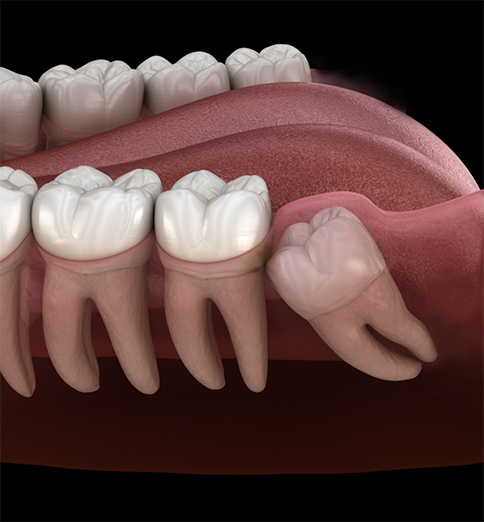
Pre-surgical evaluation for wisdom teeth involves detailed X-rays or 3D imaging to assess root position, nerve proximity, and bone density. We’ll review your medical history and discuss sedation options, as wisdom tooth removal often requires deeper sedation than simple extractions because of the procedure’s complexity and duration.
During the procedure, we create flap incisions to expose the impacted tooth and surrounding bone. If the tooth is severely impacted, we may need to remove some bone tissue or section the tooth into smaller pieces for safer removal. This sectioning technique, sometimes called coronectomy, allows us to remove the crown while leaving root portions that are intimately associated with nerves.
Recovery from wisdom tooth extraction typically takes longer than simple extractions, with initial healing requiring 7-10 days and complete healing taking several weeks. Swelling and discomfort are more common and may last several days, requiring careful pain management and specific post-operative care instructions.